worry

Baby’s First Words Are Later Than the Chart Says — Should You Worry?

Developmental milestone charts offer helpful benchmarks, but they can also leave parents wondering whether their child is falling behind. If your baby’s first words are late compared with the expected timeline, should you be concerned?  Children develop communication skills at different rates, and a later first word does not necessarily indicate a problem. Understanding typical […]

Baby’s First Words Are Later Than the Chart Says — Should You Worry? Read More »

tween

Why Tweens Pull Away From Their Parents — What’s Normal Behavior and What’s Worth Watching

A tween who once shared every detail of their day may suddenly prefer time alone, offer one-word answers, or seem less interested in family activities. This experience of a tween pulling away from parents can leave caregivers wondering what changed and whether something is wrong.  While seeking independence and privacy is a normal part of

Why Tweens Pull Away From Their Parents — What’s Normal Behavior and What’s Worth Watching Read More »

Concussion Signs in Children: What Parents Should Know About Concussions Before Their Kid Starts Contact Sports

Before your child steps onto a football field, hockey rink, soccer pitch, or other contact-sports setting, learn the concussion signs in children and what to do if an injury occurs. Concussions aren’t always obvious, and a child doesn’t need to lose consciousness to have one. Recognizing symptoms early and following medical guidance will help protect

Concussion Signs in Children: What Parents Should Know About Concussions Before Their Kid Starts Contact Sports Read More »

Toddler Hitting and Biting: Why Toddlers Hit, Bite, and Throw Things (and What to Do About It)

Toddler hitting and biting (and other aggressive behaviors) can leave even the most patient parent feeling frustrated and worried. When a toddler hits, bites, or throws things, parents often see the behavior as defiance or label it as “bad.” In reality, though, these actions often reflect a young child’s developing brain, limited impulse control, and

Toddler Hitting and Biting: Why Toddlers Hit, Bite, and Throw Things (and What to Do About It) Read More »

Shy Child vs. Social Anxiety: The Difference Between a Shy Child and a Child With Social Anxiety

Children often feel shy in unfamiliar situations, around new people, or when joining a new group. When fear or worry about social situations becomes persistent or begins interfering with school, friendships, or daily activities, however, parents may wonder whether they are seeing more than typical shyness. Understanding the difference between shyness vs. social anxiety can

Shy Child vs. Social Anxiety: The Difference Between a Shy Child and a Child With Social Anxiety Read More »

How Much Sleep Does My Child Need by Age? (and What Happens When They Don’t Get It)

Newborns seem to sleep around the clock, and school-aged children tend to resist bedtime, but every stage of childhood development comes with different sleep needs. So, it’s no wonder that many parents find themselves asking, “How much sleep does my child need by age?” The answer matters because healthy sleep supports growth, learning, emotional well-being,

How Much Sleep Does My Child Need by Age? (and What Happens When They Don’t Get It) Read More »

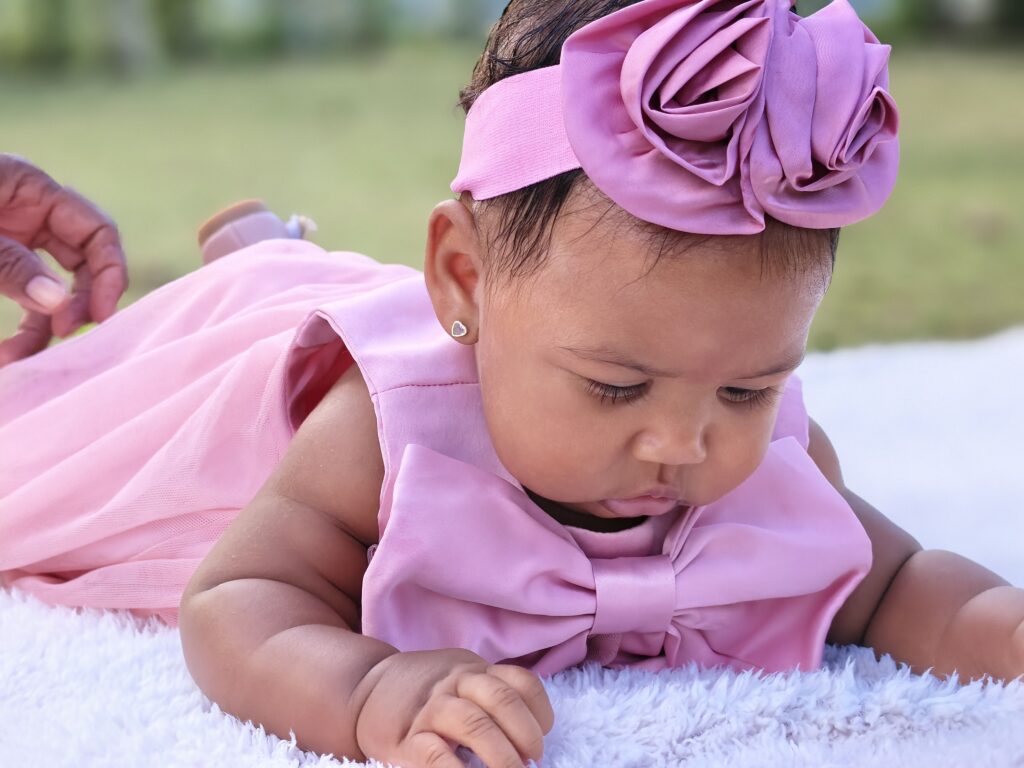
Tummy Time Benefits: What’s Happening in Your Baby’s Brain During Tummy Time?

The practice of placing your baby on their stomach while they are awake and supervised is known as “tummy time.” While many parents recognize the tummy time benefit of preventing a flat spot on the back of the head, they often don’t realize that it also encourages movement, strengthening, and sensory experiences that support healthy

Tummy Time Benefits: What’s Happening in Your Baby’s Brain During Tummy Time? Read More »

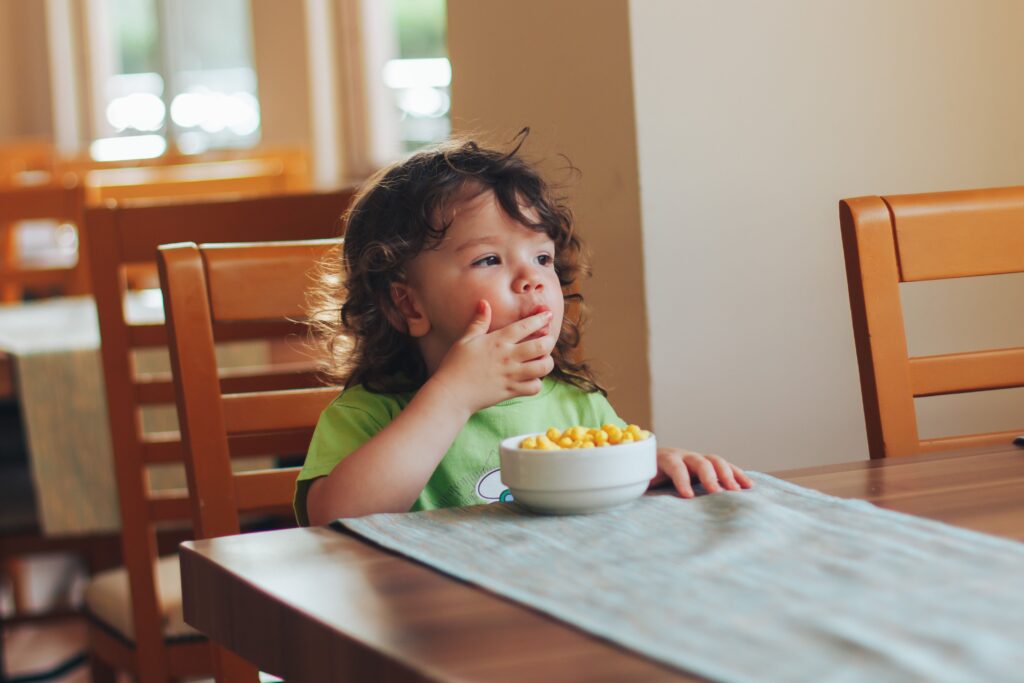
My Toddler Only Eats Beige Food: When Picky Eating Is Normal and When It’s Not

Most parents know the frustration of serving a colorful, balanced meal only to watch their toddler happily eat nothing but crackers, pasta, or plain bread. While a preference for beige foods can seem alarming, toddler picky eating, also called fussy eating, is a common part of early childhood and is often linked to normal developmental

My Toddler Only Eats Beige Food: When Picky Eating Is Normal and When It’s Not Read More »

Scroll to Top